

The Designs of Yoshida ShoyaImagining the Future with the New Mingei MovementClosed

The Designs of Yoshida Shoya - Imagining the Future with the New Mingei Movement

Before visiting The Designs of Yoshida Shoya - Imagining the Future with the New Mingei Movement :

  • Please note that discount tickets will be available online from September 1 to October 14. These tickets will be valid until November 27.
  • Beginning on October 15, you will be able to purchase tickets for all dates, including November 28 – December 20.

Exhibition Overview

Nearly a century has passed since Yanagi Muneyoshi and his colleagues first articulated the ideals of Mingei (folk craft), and the movement gradually took root across Japan among those drawn to its spirit. Today, Mingei is firmly established as a term and continues to spark fresh interest as a lens through which to reflect on how we live. This exhibition sheds light on Yoshida Shoya (1898–1972), a physician from Tottori and a contemporary of Yanagi, who, while extending his ideas, developed a pioneering movement in everyday culture.

Although Yoshida’s primary profession was an otolaryngologist, he became a vital catalyst for Mingei, acting as a project producer who involved himself in creating new designs and shaping the networks that enabled production, distribution, and sales. After opening his clinic in Tottori in 1931, he worked closely with local craftspeople across fields, including ceramics, woodwork, metalwork, dyeing and weaving, and Japanese paper, to develop and promote prototypes for “shinsaku Mingei (newly created folk crafts by contemporary craftspeople),” as exemplified by the revival of Ushinoto ware in his hometown. Based on the aesthetic standards advanced by Yanagi, Yoshida’s New Mingei Movement, which aimed to design daily necessities suited to modern life from the foundations of traditional handcraft, was realized through the Takumi Folk Crafts Shop as a sales base and the Tottori Folk Crafts Museum for exhibiting his collection, and went on to encompass the conservation of the region’s natural environment and cultural assets, including the Tottori Sand Dunes and Jinpukaku.

Through approximately 300 works and related materials, including pieces for which Yoshida himself devised the designs, this exhibition traces the course and essence of the New Mingei Movement he pursued. Visitors can also enjoy partial reconstructions of the Former Yoshida Clinic and the Former Yoshida Shoya Residence, architectural spaces where his practice of Mingei continues to resonate.

Dates
Thursday, October 15 – Sunday, December 20, 2026
Time-specific reservations will be required for visits on Saturdays, Sundays, and national holidays from November 28 to December 20. (No reservations will be required for weekday visits.)
Hours
10 a.m. – 6 p.m. (Open until 8 p.m. on November 6, December 4, 18 and 19, 2026)
Admittance until 30 minutes before closing time.
Closed
Wednesdays (Except for December 16)
Admission
Adults: ¥1,200 (¥1,000)
Visitors aged 65 or over carrying proof of age : ¥1,100 (¥900)
Students (High school and college): ¥700 (¥500)
Admission is free for children in middle school or younger.
Prices in parentheses are for tickets purchased on the Museum website, valid October 15 - November 27.
Admission is free for disability passbook / Mirairo ID holders and up to one accompanying adult.
Organizer :
Panasonic Electric Works Co., Ltd. Panasonic Shiodome Museum of Art, NHK, NHK Promotions Inc.
Production Cooperation :
NHK Enterprises, Inc. Nagoya Branch Office
Special Cooperation :
Tottori Folk Crafts Museum
Support :
Minato City Board of Education

Exhibition highlights

1.A Tokyo First! Discover Yoshida Shoya, the Visionary “Producer” of the Mingei Movement

In recent years, a growing number of exhibitions across Japan have turned their attention to Mingei. Yoshida Shoya has often been introduced as a key figure in the Mingei Movement among such exhibitions, but this is the first exhibition in Tokyo dedicated specifically to Yoshida Shoya to bear his name in its title. Based on the latest research, this exhibition examines Yoshida’s work in Mingei and design, and sheds light on his character in greater depth than ever before.

2.Ceramics, Lamps, Textiles, and Wooden Furniture: The Diverse Expression and Appeal of New Mingei

Yanagi Muneyoshi is often referred to as the “Father of Mingei;” the potter Kawai Kanjiro called Yoshida Shoya the “Mother of Mingei.” The reason for this moniker lies in the different roles they played: while Yanagi recognized the beauty of Mingei, developed its philosophy and theories, and promoted the movement, Yoshida put those ideas into practice. He built an integrated system for the development, design, production, and sale of New Mingei works (shinsaku mingei). Yoshida’s designs elevated regional crafts to a universal expression of beauty. Unbound by any particular style, his designs brought together practicality and simplicity in ways best suited to modern life. This exhibition showcases the finest range of his New Mingei works, including ceramics, woodwork, and textiles.

3.Yoshida Shoya’s Vision of “Mingei Architecture”

Once remarking, “In another life, I would have been an architect,” Yoshida Shoya pursued architectural and spatial design with great passion. This exhibition explores how Yoshida gave physical form to his philosophy through architecture alongside individual works of New Mingei. Visitors are invited to experience unique exhibition design based on the concept of “Mingei Architecture,” video installations in the lobby, and full-scale re-creations of selected spaces from the Former Yoshida Clinic and Former Yoshida Shoya House, where New Mingei was practiced.
Introduction
The Standard of Beauty—Tottori Folk Crafts Museum

To achieve concrete expression of the “Standard of Beauty” advocated by Yanagi Muneyoshi, Yoshida Shoya collected Mingei works from different periods and regions, and founded the Tottori Folk Crafts Museum as a venue for displaying them to the wider public. This section begins with works from Yoshida’s collection, which serve as an introduction to the origins of the New Mingei Movement.

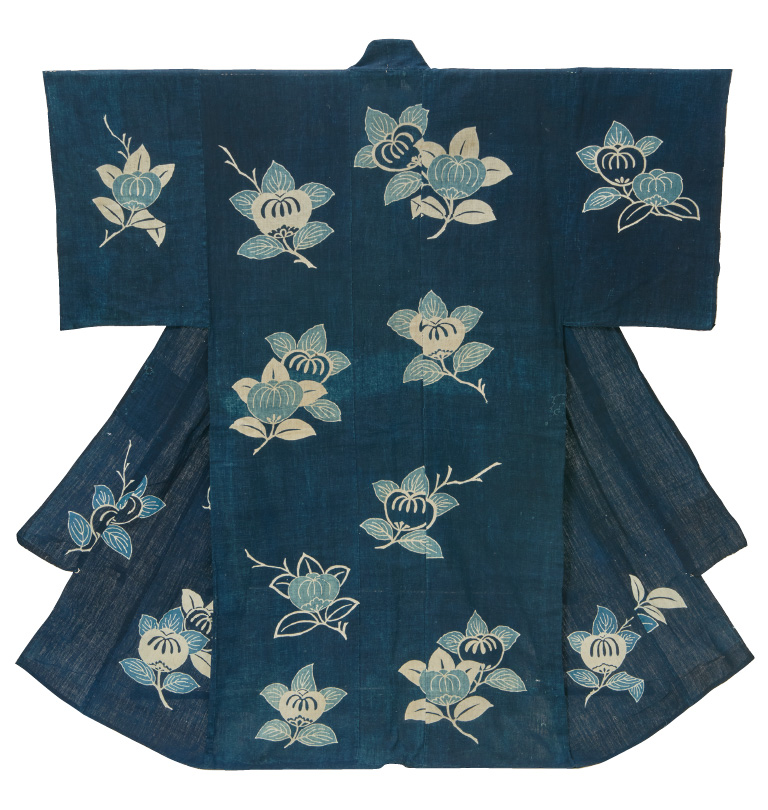
Cotton Night Wear, orange blossom resist pattern
Tottori Prefecture, 18-19c, Tottori Folk Crafts Museum

Chapter 1
Playing in the Shirakaba Forest—Discovering Ideals in the Days of Youth

While studying at Niigata Medical College, Yoshida Shoya spent time in conversation with like-minded friends who shared his love of the magazine Shirakaba (a name which literally translates to “Japanese white birch”) as he sought a life guided by art and ideals. Through these pursuits, he eventually encountered his lifelong mentor, Yanagi Muneyoshi. This section explores the formative beginnings of Yoshida’s New Mingei Movement.

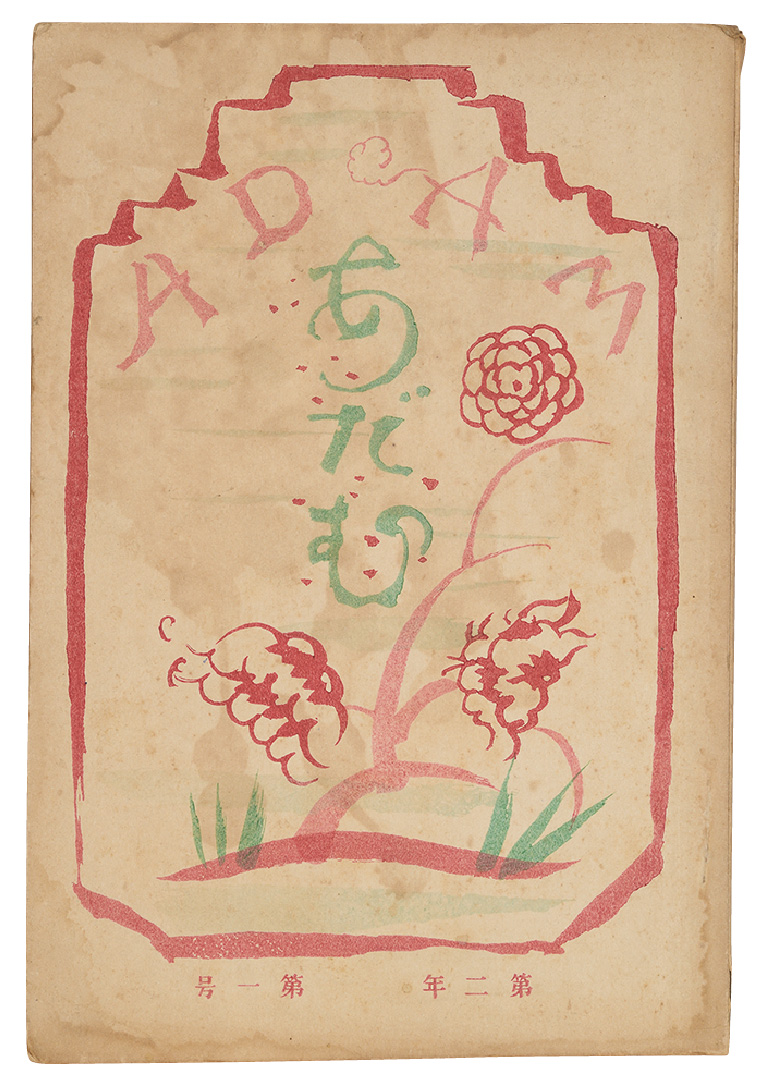
Adam magazine, Year 2, No. 1
Edited by Kakinuma (Shikiba) Ryuzaburo, cover design by Kishida Ryusei, published by Adam-sha, February 1920, Tottori Folk Crafts Museum

Chapter 2 
Weaving Beauty from Function—Mingei Design Beginning in Tottori

Yoshida’s New Mingei practices in Tottori began with collecting local crafts and studying traditional materials and techniques. Working closely with the local craftspeople, he pursued a new approach to Mingei design, crafting beauty from utility in forms suited to modern life, and bringing these works to the wider public through the Takumi Folk Crafts Shop.

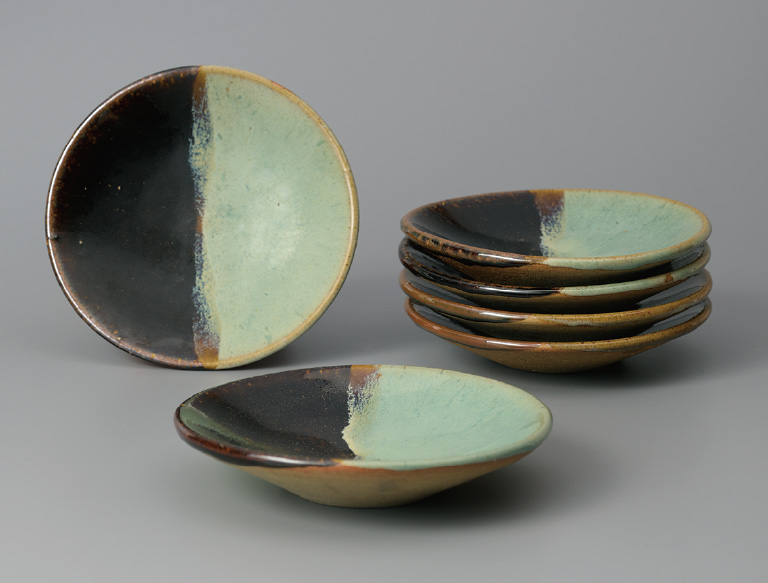
Two-Colored Small Plates,green and black glazes
Ushinoto kiln, designed by Yoshida Shoya, 1931, Tottori Folk Crafts Museum

Chapter 3 
Ephemeral Dreams of Handan—Another Mingei in the Land of China

In 1938, Yoshida Shoya was dispatched to serve as a military doctor in northern China. After leaving military service, he settled in Beijing and, in cooperation with local craftspeople, continued to promote the New Mingei Movement in China until 1945. This section explores Yoshida’s years in a foreign land—a period of wandering in which he discovered other expressions of Mingei beauty, and one in which his ideals intersected with reality.

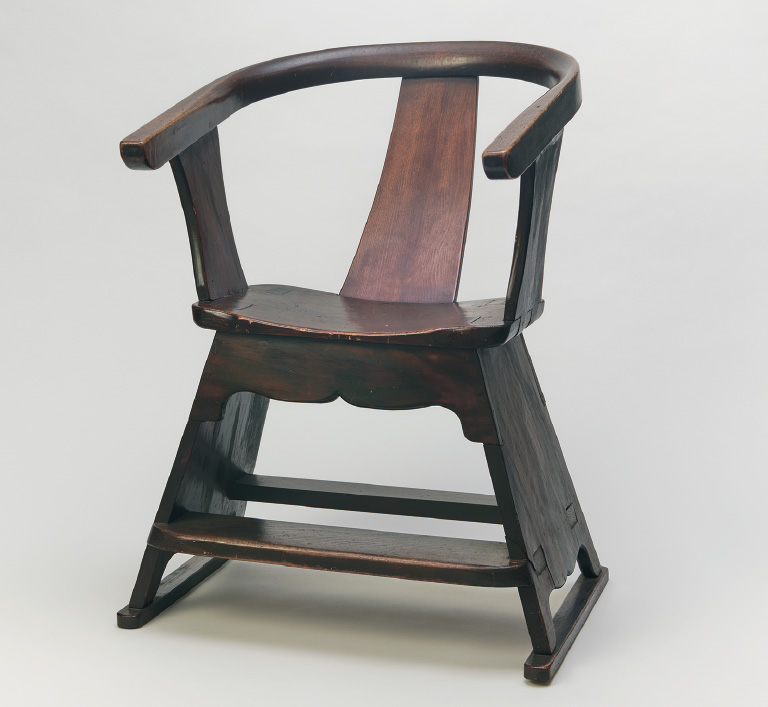
Chinese Style Bentwood Chair
Maker unknown, designed by Yoshida Shoya, 1940s, Private Collection

Chapter 4 
Establishing a Kingdom of Beauty—Experiments in Living with Mingei

Yoshida Shoya used museums, craft shops, and high-end restaurants as hubs for bringing the beauty of Mingei into everyday life. The many designs on display here reflect his ideals for a culturally rich lifestyle in postwar Japan.

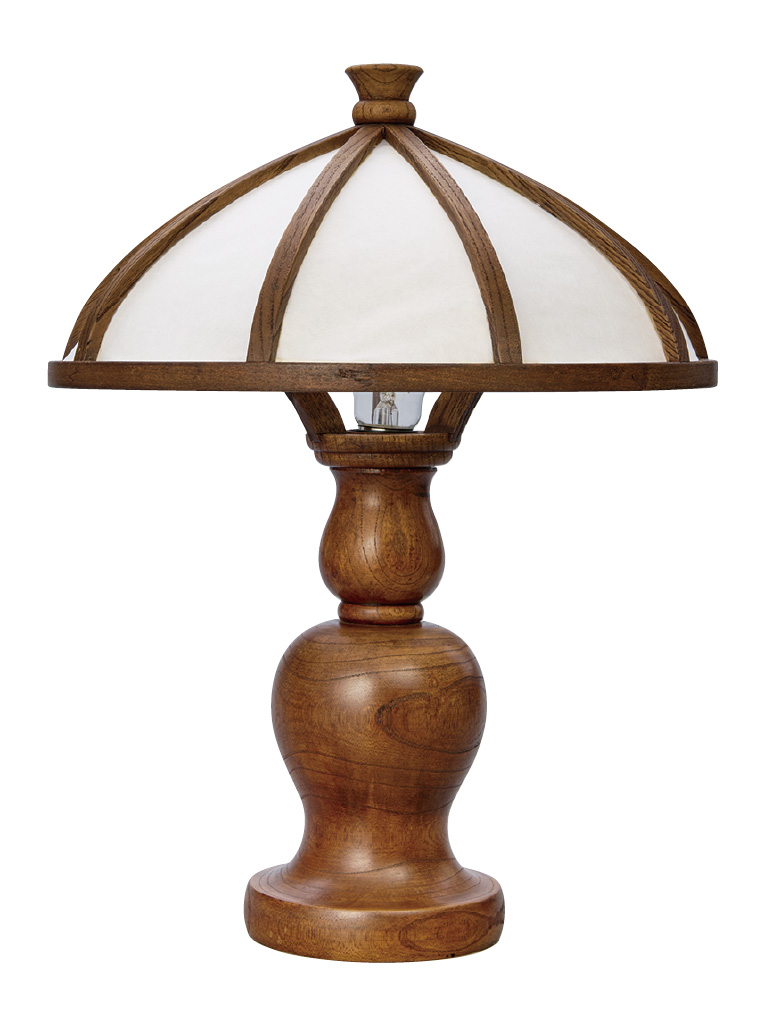
Lamp Stand with Round Shade
Torao Masaji, designed by Yoshida Shoya, Later half of 1930s, Tottori Folk Crafts Museum
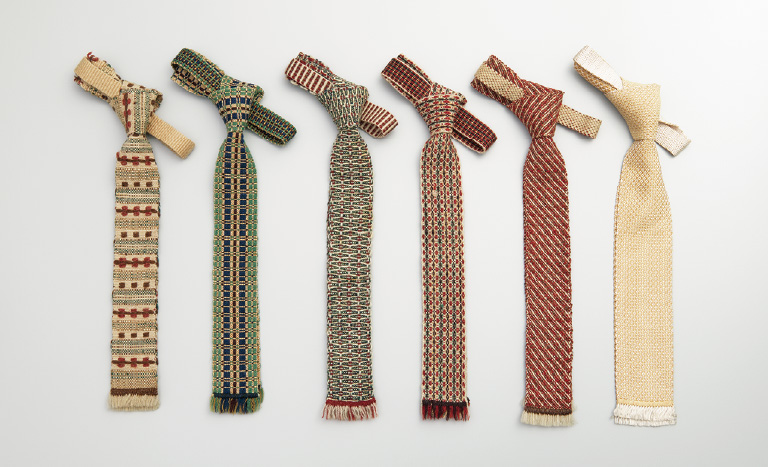
Niniguri Neckties
Yoshida Satoyo et al., designed by Yoshida Shoya, 1931, Tottori Folk Crafts Museum
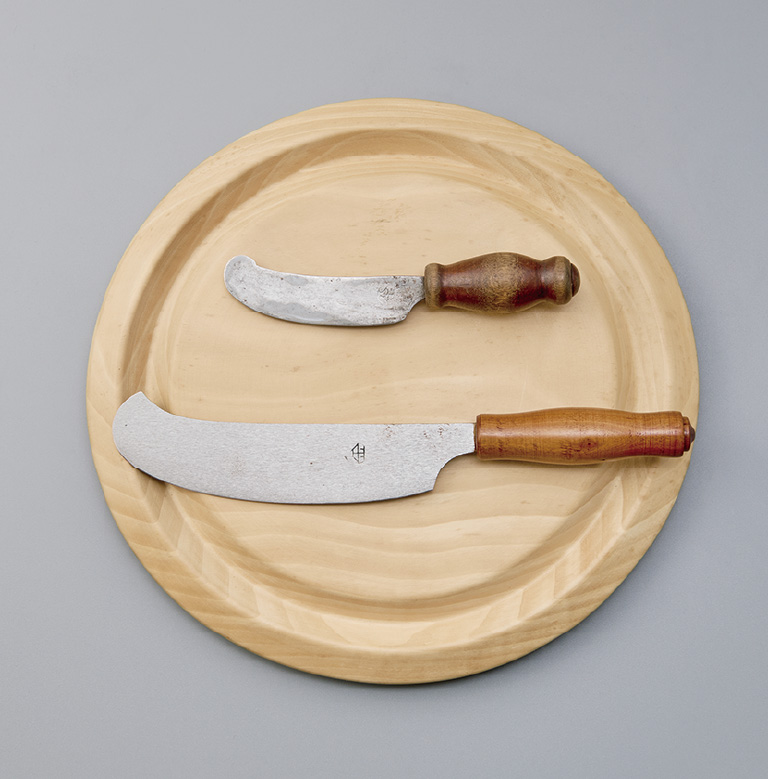
Bread Cutting Board
Myoga Sadaji, designed by Yoshida Shoya, First half of 1950s, Tottori Folk Crafts Museum
Fruit Knife, Bread Knife
Kurata Nobuo, designed by Yoshida Shoya First half of 1950s, Tottori Folk Crafts Museum
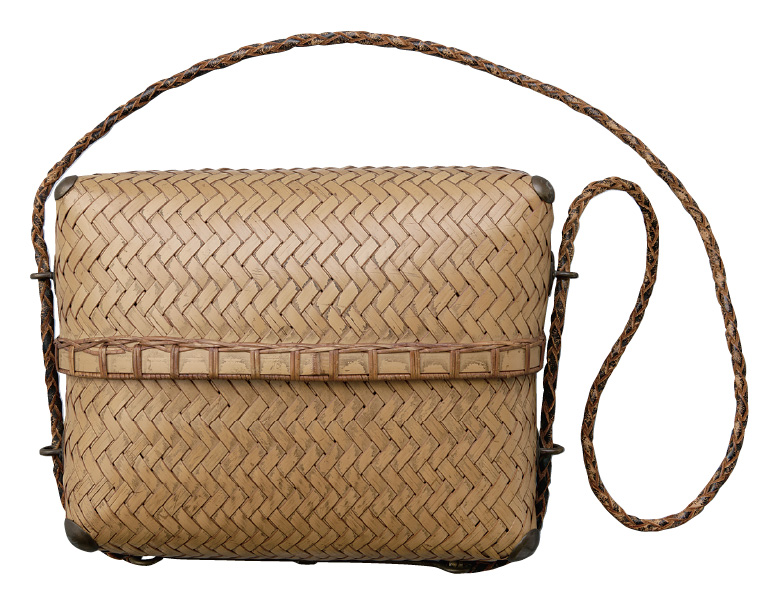
Bamboo Shoulder Bag
Maker unknown, designed by Yoshida Shoya, First half of 1950s, Private Collection

Chapter 5 
Comrades in Beauty—Exchanges Between Leaders and Friends of the Mingei Movement

Mentors and friends including Yanagi Muneyoshi, those of the Shirakaba circle, and prominent figures in Mingei such as Kawai Kanjiro, Hamada Shoji, and Bernard Leach, as well as Shikiba Ryuzaburo (who would become a lifelong friend) were sources of both creative inspiration and personal support for Yoshida Shoya. This section traces the relationships he formed through Mingei.

Chapter 6
Connecting Beauty and Society—Vision and Action to Nurture the Local Area

This final chapter examines the expanding scope of Yoshida Shoya’s Mingei Movement. His ideals evolved from the realm of everyday life into broader efforts to preserve nature and culture, including the Tottori Sand Dunes, the Tottori Castle Ruins, and the Jinpukaku manor, engaging deeply with society and how it should be shaped.

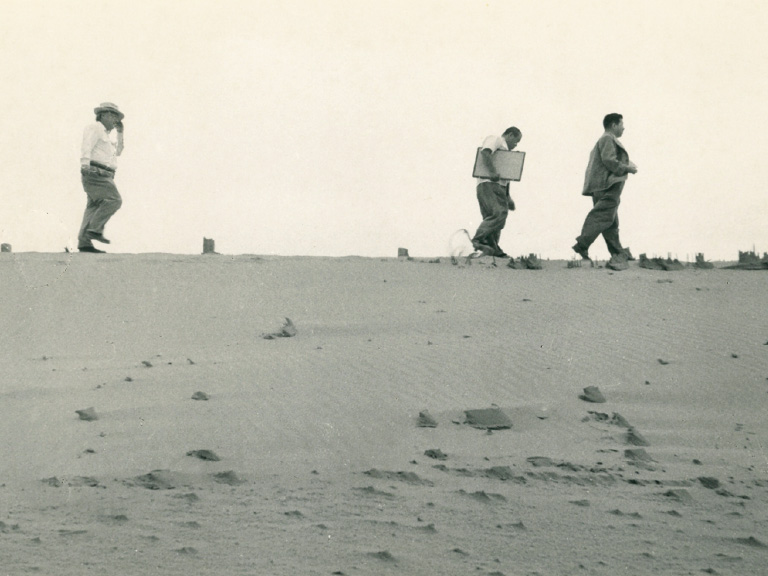
Walking on the Tottori Sand Dunes (From left) Shikiba Ryuzaburo, Yamashita Kiyoshi, Yoshida Shoya
Photo by Ikeuchi Hirokichi, 1956, Tottori Folk Crafts Museum

Special Exhibition 
Spaces for Beauty—The Former Yoshida Clinic and Former Yoshida Shoya House

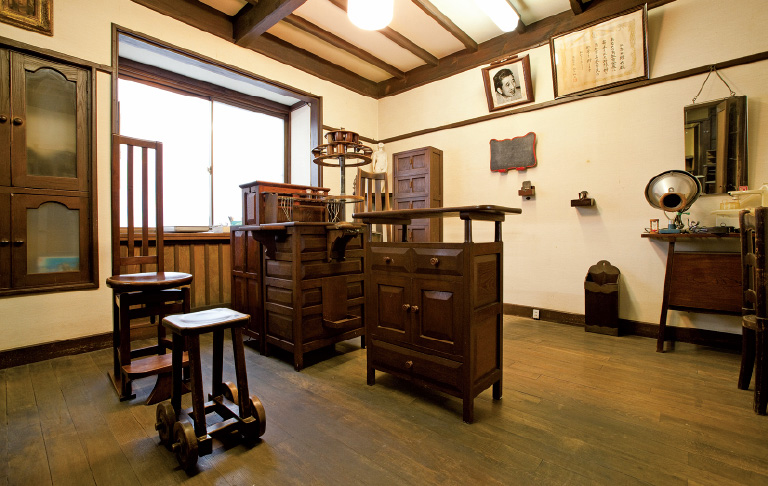
Beginning in 1932, whenever there was renovation or new construction to his clinic, Yoshida Shoya personally took part in designing a “Mingei-style clinic.” His designs explored a synthesis of different styles, juxtaposing Eastern-style fittings with Western ones. The designs extended beyond architecture, encompassing everything from examination chairs and medicine bottle organizers to furniture and waste baskets. This exhibition presents full-scale re-creations of selected spaces from the Former Yoshida Clinic and Former Yoshida Shoya House, with the latter demonstrating practical applications for Mingei in everyday life.

Examination Room of the Former Yoshida Clinic
Photo by Shiraoka Akira

About Yoshida Shoya

“My life may appear to be the pursuit of two hares—medicine and mingei... Yet, for me, it is not two at all, but one, because I live my life as a doctor with the spirit of mingei.”

(Yoshida Shoya, “Mingei and I,” Mingei no. 173, 1967)

Yoshida Shoya described himself as “a doctor possessing the spirit of Mingei.” Through his pioneering, locally based New Mingei Movement, he devoted his life to exploring and proposing approaches to Mingei and design that continue to resonate today.

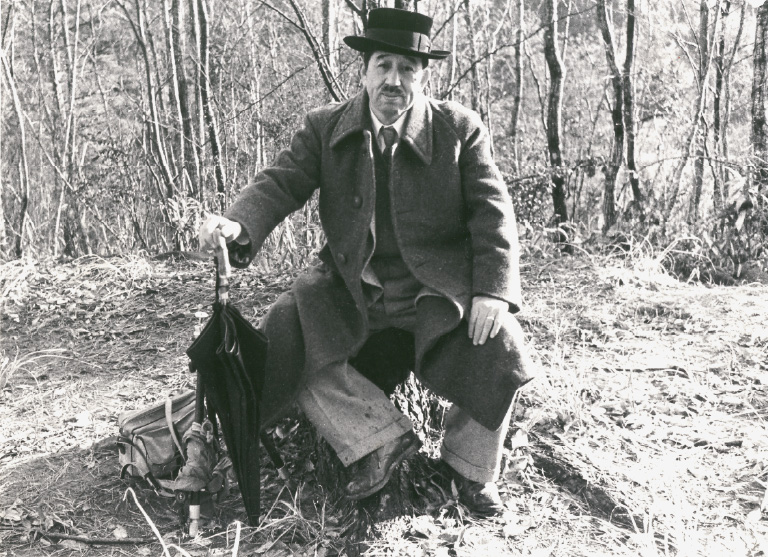
Portrait of Yoshida Shoya
Photo by Ikeuchi Hirokichi, ca. 1965, Tottori Folk Crafts Museum